

Introduction
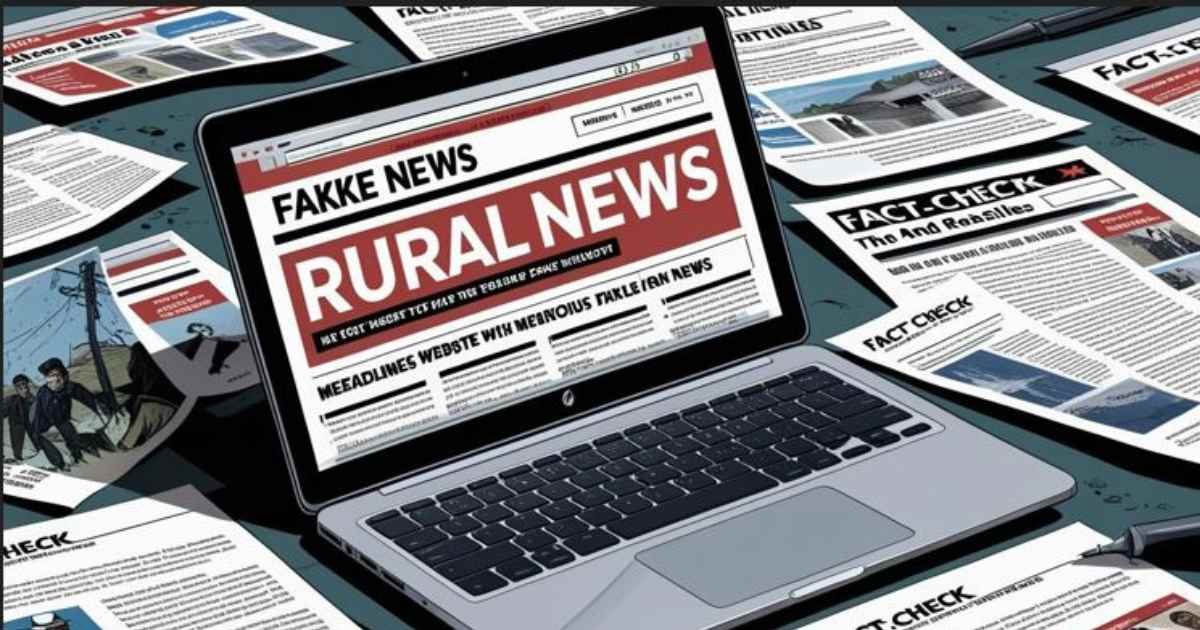
In 2025, truth is under attack—especially in places where internet access is new and media literacy is low. Rural communities, often isolated from mainstream narratives, have become key targets of a dangerous trend: fake fact-check websites.
These websites pretend to debunk misinformation but actually spread it more subtly. They look real, sound scientific, and claim credibility. In truth, they are part of a strategic disinformation campaign—designed to confuse, not clarify.
In this deep-dive article, we’ll reveal how these websites operate, why they focus on rural news, how to identify them, and what communities can do to fight back effectively.
Understanding the Threat: What Are Fake Fact-Check Websites?
Definition and Key Characteristics
A fake fact-check site looks like a legitimate verification platform but:
- Promotes biased or false claims
- Cites fabricated experts or unverifiable sources
- Targets niche or localized news
They often mimic real organizations like Snopes or PolitiFact to appear credible.
Why Rural News Is a Target
Rural communities often:
- Have limited internet infrastructure
- Depend on social media or WhatsApp forwards
- Lack media literacy programs
This makes them ideal for manipulation through “trusted-looking” platforms.
How Fake Fact-Check Sites Are Designed to Deceive
Visual Imitation Tactics
They use:
- Domain names similar to trusted platforms
- Professional logos and layout
- “Fact-check badges” that mean nothing
This creates a false sense of security.
Content Structure Deception
They mimic real fact-checking language:
- Claim: “XYZ happened.”
- Verdict: “True” or “False”
- Explanation: Unverifiable paragraphs citing anonymous experts
But none of the evidence holds under scrutiny.
Real-Life Examples From Rural Regions
Case Study: Punjab 2024 Flood News
When real videos of flooding circulated, a fake site claimed they were “old clips from 2015,” convincing thousands that emergency aid wasn’t needed.
Case Study: Local Election Results in Sindh
A fake fact-checking page declared opposition wins as “fake news,” discouraging voters from participating in runoffs.
Bullet Point: Red Flags to Spot a Fake Fact-Check Website
- Vague author names (e.g., “Research Desk”)
- No contact page or team profile
- No link to original data sources
- Overuse of emotionally charged language
- Poor grammar disguised in “expert tone”
The Platforms They Exploit Most Often
| Platform | Vulnerability |
|---|---|
| Viral shares in rural groups | |
| Trusted peer-to-peer forwards | |
| Telegram | Anonymous channels, unverified claims |
| TikTok | Fast-spreading silent videos |
These platforms lack consistent moderation in rural languages and dialects.
Why Rural Communities Are More Vulnerable
Lack of Digital Literacy Training
Many schools in rural regions don’t teach:
- How to verify a source
- The difference between sponsored content and real journalism
- What URLs and HTTPS security indicators mean
Dependency on Word-of-Mouth
A single respected figure sharing a link can cause thousands to believe a hoax.
Limited Access to Counter-Narratives
When national news doesn’t cover rural issues, fake sites fill the gap.
Expert Views on Disinformation in Rural Areas
Dr. Amina Rauf, Media Literacy Researcher
“Fake fact-check websites are the new propaganda machine. Rural users are uniquely targeted because they trust official-looking websites over unknown journalists.”
Rehan Qureshi, Cybersecurity Analyst
“Many of these domains are registered abroad and funded by agenda-driven groups. Their goal isn’t just clicks—it’s confusion.”
Step-by-Step: How to Identify Fake Fact-Check Websites
Step 1: Check the Domain
Avoid domains that:
- Use .info, .buzz, or .blog with news-sounding names
- Slightly misspell legitimate URLs (e.g., “politiifacts.com”)
Step 2: Look for Author Credentials
Check if the article lists:
- Real names
- Social media profiles
- Previous publications
If not, it’s likely fake.
Step 3: Inspect External References
Verify:
- Are links functional?
- Do they lead to real academic papers or dead pages?
- Is the site citing circular references (linking to itself)?
Step 4: Run the Site Through Web Tools
Use:
- WHOIS lookup (domain registrar and owner)
- Google Transparency Report
- ScamAdvisor rating
Bullet Point Tips for Protecting Yourself and Others
- Bookmark trusted national and global fact-checkers
- Don’t forward links unless you’ve verified them
- Install browser extensions for fact-checking
- Conduct reverse image searches on viral photos
- Educate family groups on basic digital hygiene
Comparison Table: Real vs. Fake Fact-Check Sites
| Feature | Real Fact-Check Site | Fake Fact-Check Site |
|---|---|---|
| Team Page | Yes | No |
| References with links | Yes | Rare or fake |
| Neutral tone | Objective | Emotional or biased |
| Registered with journalism bodies | Often | Never |
| Claims transparency | High | None |
Troubleshooting Misinformation in Rural Areas
| Problem | Solution |
|---|---|
| Fake stories spreading fast | Share verified articles in local groups |
| Leaders sharing bad links | Educate them privately using examples |
| Hard to convince elders | Use relatable, local-language explainers |
| Poor access to good info | Distribute verified updates via audio notes |
What NGOs and Schools Can Do
1. Launch Rural Digital Literacy Drives
Include:
- Short sessions on spotting fake URLs
- Posters in village halls
- Weekly info corners in schools
2. Partner With Local Influencers
Local trust carries weight.
- Train teachers, shopkeepers, or mosque leaders
- Let them lead simple verification campaigns
3. Use Audio and Visual Tools
Written content doesn’t always work. Try:
- Voice messages
- Infographics
- Short radio segments
Real-Life Impact of Awareness
Kiran, a Teacher in Gilgit
“After one fake news workshop, students became the ones correcting parents. That changed everything.”
Faheem, a Shopkeeper in Multan
“I used to share every news post. Now I verify it first—and I ask others to do the same.”
FAQs: Fake Fact-Check Websites Targeting Rural News
Q1: What makes a fact-check site fake?
It mimics real verification platforms but spreads lies or manipulates evidence.
Q2: Why are rural communities targeted?
Due to lower digital literacy and limited access to balanced news.
Q3: How can I tell if a site is real?
Check for authors, sources, domain reputation, and neutrality.
Q4: Are there trusted fact-checkers in Pakistan?
Yes. Look for names like Soch Fact-Check, AFP Pakistan, and BBC Verify.
Q5: Should I report fake sites?
Yes. Report them to PTA, Google Safe Browsing, and platform abuse teams.
Conclusion and Call to Action
Fake fact-check websites are the wolves in sheep’s clothing of digital media. They prey on rural trust, mimic authority, and rewrite truth. But awareness is the strongest weapon.
If you’re a student, teacher, parent, or influencer—you can break the chain. Start with your WhatsApp group. Share this article. Teach someone one sign of a fake website.
👉 Act now. Know the signs. Stop the lies. Share the truth.